For HR, people and wellbeing teams

Help the women in your team stay well, and stay in work

emilee works with HR and people teams to understand how ongoing health symptoms are affecting the women in your organisation, and what practical support would actually help them.

Start now with an anonymous Women’s Health Support Diagnostic and Know Your Normal at Work training, built around helping their bodies feel safe enough at work to settle, focus and do their best work.

At a glance

What you get, who it’s for, and why it matters

Who it’s for

UK employers who want to keep their women well and in work

  • HR, people and wellbeing leads
  • Organisations of around 100 or more staff (smaller teams welcome to ask)
  • Supporting women with pain, fatigue, gut, hormone or cycle symptoms, with or without a diagnosis, not just menopause

What you get

A clear picture, and practical support you can start now

  • Women’s Health Support Diagnostic: an anonymous look at where the gaps are, with recommendations
  • Know Your Normal at Work training: sessions for women and for managers
  • 1:1 coaching and somatic support: confidential sessions for women who need tailored support
  • Menopause and hormonal health training: specialist menopause and hormones at work training from our trusted partners
  • Coming soon: employer-funded access to the emilee. app

Why it matters

Fewer quiet resignations, absences and burnt-out managers

  • 84% of women we surveyed said symptoms disrupt their work, plans or routines
  • Employers are being asked to do more to keep people well and in work
  • When her body feels safe at work, she can focus and do her best work
Woman looking exhausted at her laptop

What you’re probably already seeing

She’s still turning up. But it's a struggle.

It shows up as sick days with the same reasons, a brilliant manager who’s suddenly struggling to get through the week, someone asking to drop to four days, or a resignation you didn’t see coming.

What you often don’t see is why, because pain, fatigue, gut problems, hormones and cycle changes aren’t things most women want to talk about at work (and plenty of them don’t have a diagnosis to point to anyway).

Underneath it, her body is often stuck in survival mode: prepared for the next flare, constantly researching her symptoms, pushing through pain in back-to-back meetings, never quite switching off. That takes a huge amount of energy, and it rarely shows on paper.

Pushing through, then burning out

She keeps up by masking it

Smiling through the pain, taking painkillers to get through the afternoon, saving the crash for the weekend. It looks like resilience. Over time, it’s one of the fastest routes to burnout, absence and losing people you can’t afford to lose.

84%

said ongoing symptoms had disrupted their work.

emilee. survey of 173 women living with ongoing symptoms, 2026

49%

of women felt they should have taken time off for a women’s health issue, but didn’t

AXA Health survey of 2,000 UK women, 2025

43%

of women have suffered in silence at work with a women’s health issue rather than tell their employer

Simplyhealth survey of UK adults

87%

of UK organisations have seen presenteeism, people working while unwell, in the past year

CIPD, Health and wellbeing at work 2023

35%

of UK workers don’t feel comfortable telling their manager about high or extreme stress

Mental Health UK, Burnout Report 2026

26%

of women in UK offices have felt shamed or pressured into returning to work early after time off for their health

frendo poll of 1,250 UK women aged 25 to 55

What’s taking her attention

On top of the job you pay her for, she’s doing a second one

Managing her own health has become unpaid, invisible work. It happens in lunch breaks, between meetings and late at night, and it never really stops.

Woman writing in a notebook over coffee

Her second job

Case manager

Booking appointments, chasing test results, keeping track of which GP said what and what the specialist is supposed to be sending.

Researcher

Reading up on her symptoms at 2am, asking AI, scrolling forums and trying to work out which advice actually applies to her.

Advocate

Explaining years of symptoms in ten-minute appointments, pushing to be taken seriously and proving it’s not “just stress”.

DIY health 

Trialling diets, supplements and protocols, paying for private tests and tracking whether any of it is making a difference.

Survivor

Quietly managing her energy and pain all day, every day, so she can keep up. Her body never fully gets to switch off.

That’s focus, energy and headspace that isn’t going into her work, and none of it shows up in a sickness absence report.

Why now

Employers are being asked to play a bigger part in keeping people healthy at work

The government-backed Keep Britain Working review put employers at the centre of keeping people well and in work, and a workplace health vanguard is now testing what that support should look like.

Most benefits packages weren’t designed with women’s ongoing health in mind, and menopause policies only cover part of the picture.

Three women working together at a laptop

Right now

How emilee works with employers right now

Three ways to work together: the diagnostic and training for your organisation, and 1:1 support for women who need more.

Available now

1. Women’s Health Support Diagnostic

For the whole organisation

An anonymous, structured look at how ongoing symptoms are affecting the women in your organisation, alongside a review of your current policies, benefits and manager support.

You get

  • Anonymous insight from the women in your team
  • A review of your policies, benefits and manager support
  • A clear picture of the gap, including what keeps people running in survival mode
  • Practical recommendations you can act on, whether or not you work with emilee. afterwards
Available now

2. Know Your Normal at Work training

For women and for managers

Practical, down-to-earth sessions that make a difference the same week.

You get

  • For women: understanding what’s normal for them, what helps on the hard days and simple nervous-system tools for settling their body at work
  • For managers: better conversations and the small adjustments that actually keep people in work
Available now

3. 1:1 coaching and somatic support

For individual women in your team

Confidential one-to-one sessions for women who need more than a workshop, combining practical coaching with somatic, nervous-system support to help her body feel safer and more settled at work.

You get

  • Confidential sessions: what she shares stays between her and her practitioner
  • Practical strategies for the working day and the hard days
  • Somatic tools to help her body come out of survival mode

Menopause and hormonal health training

With our partners

Specialist menopause and hormones at work training from our trusted partners, for women and managers, so your team gets expert support alongside everything above.

Start here

Not sure which fits? Start with a free conversation about your team, what you already offer and where the gaps are. If emilee. isn’t the right fit, Em will tell you.

Book a call to find out more
Women sitting together on the grass at golden hour

Safety starts in the body

When her body feels safe, she can do her best work

Safety at work usually means policies and procedures. For women living with ongoing symptoms, it’s also something the body feels, or doesn’t.

When the nervous system is stuck in threat mode (rushing, bracing, masking pain), fatigue, pain and gut symptoms can get harder to manage, and focus and energy are the first things to go.

Somatic safety means helping the body come out of that state, and it’s the thread running through everything emilee. does with employers.

In her body

Short, practical nervous-system tools she can use in a few minutes, between meetings or before a hard conversation.

In her day

Pacing, breaks and small adjustments that stop her running on adrenaline from the first meeting to the last.

Around her

Managers who know how to lower the pressure in a conversation rather than add to it, so it feels calm instead of like a performance review.

A regulated nervous system isn’t a nice-to-have. It’s where focus, good decisions and staying in work start.

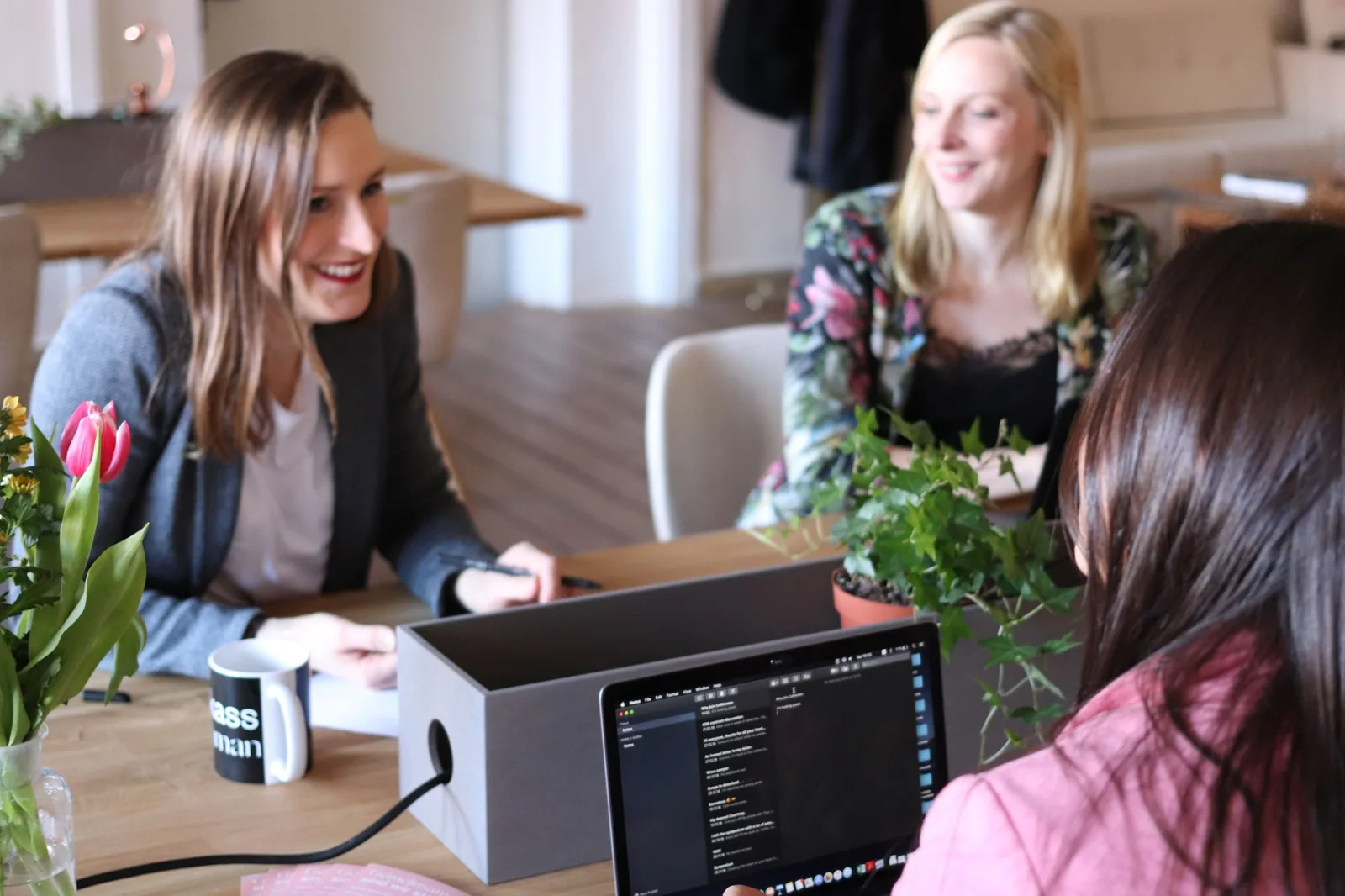
Three women talking round a table at work

What’s coming

Support she can actually use, funded by you

emilee. is building a way for employers to fund practical support for their teams through the emilee. app:

  • Daily check-ins
  • Coping tools for difficult days, including short practices to help her body settle
  • Affordable access to vetted practitioners

Employer-funded support is in development and starts with pilots. If you’d like to be part of shaping it, mention it on the call.

Why it pays

Supporting her health is good for your business

Poor workforce health cost the UK £87bn in 2025. Here’s where supporting women with ongoing symptoms makes a difference.

Keep experienced women in work

62%

of UK employers still see people leaving work because of their health, every year.

Source: Work Foundation, Lancaster University, 2026

Win back lost productivity

£20bn

lost in 2025 to people working while sick or injured, on top of £52bn in sickness absence.

Source: Simplyhealth and WPI Economics, 2026

Less time lost chasing care

2.1 days

a year, per employee, lost to delayed or difficult access to healthcare.

Source: Simplyhealth and WPI Economics, 2026

Fill the gap in your support

39%

of UK employers give staff access to occupational health. Most women are left to work it out alone.

Source: Work Foundation, Lancaster University, 2026

Get ahead of new rules

April 2027

Menopause action plans become mandatory for employers with 250+ staff. The diagnostic gives you the evidence to build yours.

Source: Employment Rights Act 2025

Protect the bottom line

£7,000

per worker, per year: the cost of people at their desks but too unwell to function.

Source: Vitality Health and Productivity Index, 2026

These figures cover everyone at work. Women already take almost two more sick days a year than men, so the gap is wider for them.

Source: Nuffield Trust, 2025

Privacy

You’ll never see an individual woman’s health information

Health information is personal, and trust is the whole point.

Diagnostics are anonymous, and when employer-funded support launches, you’ll only ever see anonymised, grouped insights, never anything about a specific person.

That matters for her body too. Knowing her symptoms won’t follow her into her next review is part of what lets her relax enough to use the support at all.

Anonymous diagnostics

Only grouped, anonymised insights

Never anything about a specific person

Em, founder of emilee, leaning on a desk in soft daylight

Who’s behind it

Hi, I’m Em, the founder of emilee

I spent 17 years building and marketing technology companies (including as a CMO), and I’m a trained somatic practitioner.

I’m also the woman this is for. After thyroid cancer and more than a decade of overlapping symptoms, I know exactly what it’s like to keep showing up for work while your body is doing its own thing… and how much difference the right support makes.

Em x

FAQ

Questions from employers

Is this just about menopause?

No. Menopause matters, but it’s one part of the picture. emilee. covers women living with any persistent or overlapping symptoms (pain, fatigue, digestion, hormones and cycle changes), with or without a diagnosis.

What size of organisation is this for?

It’s designed for UK employers, and works best for organisations with around 100 or more staff. If you’re smaller, get in touch anyway.

Will we see our employees’ health data?

No. Diagnostics are anonymous and any reporting is grouped and anonymised.

What do you mean by somatic safety?

It means helping the body feel safe, not just the policies. When the nervous system is stuck in threat mode, ongoing symptoms can be harder to manage. Our training and tools focus on simple, practical ways to help the body settle during the working day.

What does it cost?

It depends on the size of your organisation and what you need. Em will talk you through options and pricing on the call.

Is the emilee. app available for our staff yet?

Not yet. The app is in testing and employer-funded support is in development, starting with pilots. The diagnostic and training are available now.

Book a call

Let’s work out what the women in your team actually need

So they can feel safe in their bodies at work, stay well and keep doing their best work.

Three women talking round a table at work